Lagoon Aerators
Surface and diffused aeration equipment for wastewater lagoons, with the selection guidance that decides which family fits your cells.
Short answer
Lagoon aerators come in two families: floating surface units that transfer oxygen at the top of the water column, and diffused systems that push fine bubbles up from the bottom through a shore-mounted blower. Choose on cell depth, climate, energy cost and sludge history, and size on pounds of BOD5 applied rather than acres.
What we carry
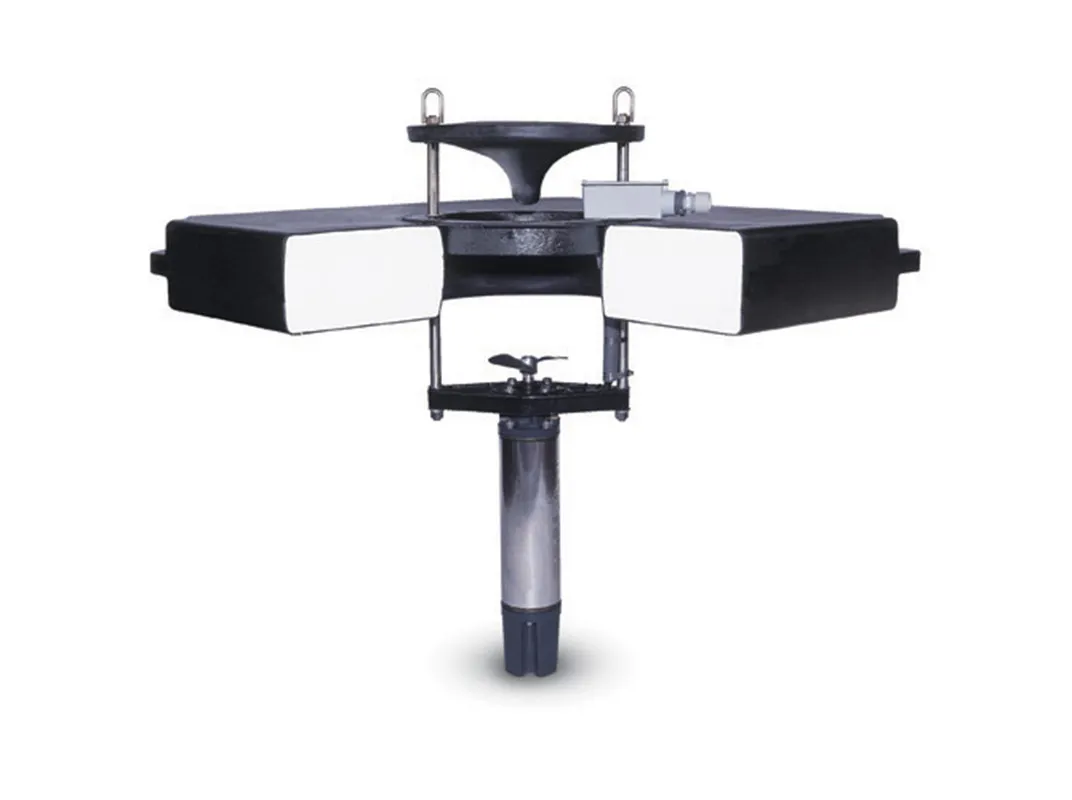
Aquarian Quantum Surface Aerator
For: dissolved oxygen crashing before sunrise
Air-O-Lator Aquarian Quantum floating surface aerator, 5 to 20 HP. Over 95 percent of the unit sits below the surface, so ice and turbulence do not capsize it.
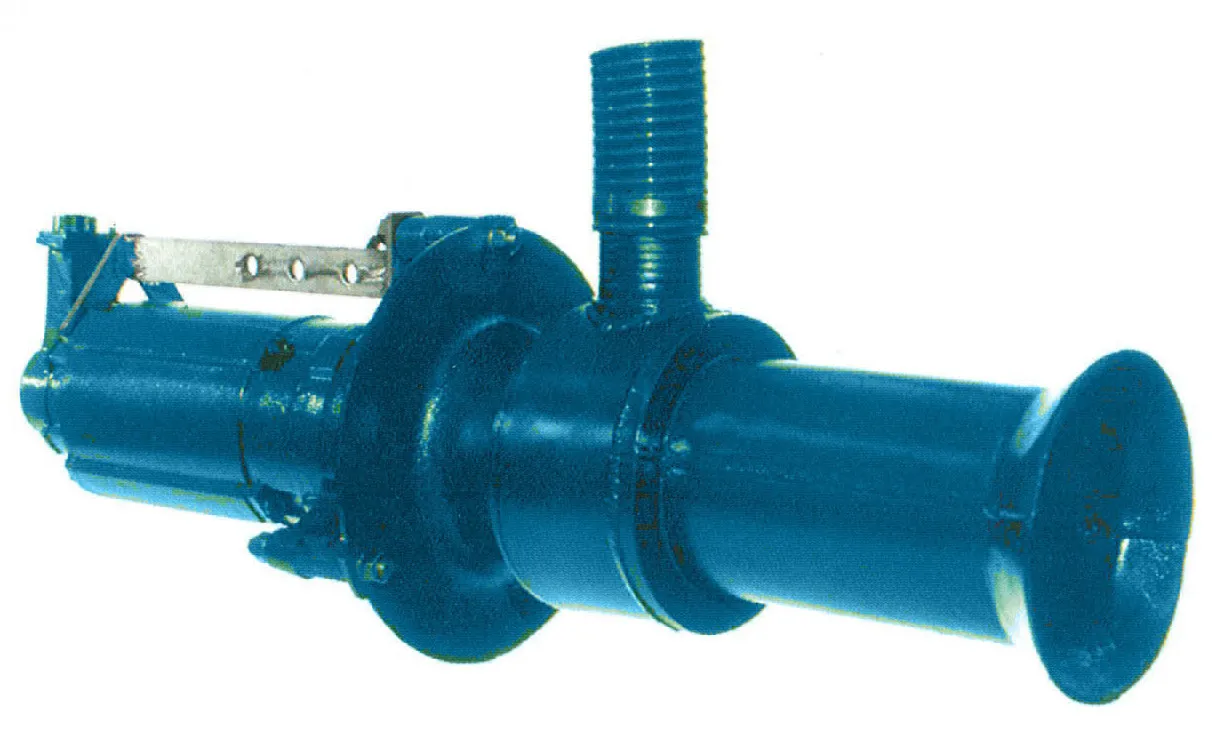
Enterprise II Aspirating Aerator
For: surface aerators icing up or shutting down every winter
Air-O-Lator Enterprise II aspirating aerator, 3 to 7.5 HP. Draws air down a venturi and discharges below the surface, so there is no spray to freeze.
Floating Surface Aerator
For: a cell that runs out of oxygen before sunrise
Floating surface aeration for wastewater lagoon cells, sized by organic load. Quoted to your site with freight and power service accounted for.
Which one for which problem
| Product | Reach for it when | Form | Applied from | Timeline |
|---|---|---|---|---|
| Aquarian Quantum Surface Aerator | Dissolved oxygen crashing before sunrise | Floating unit, moored | Mooring cable to shore anchors, no structure required | Oxygen transfer begins the hour it is energised |
| Enterprise II Aspirating Aerator | Surface aerators icing up or shutting down every winter | Submerged unit on a mast or pontoon | Guide-rail mast in a concrete or steel basin, or a floating pontoon | Oxygen transfer begins the hour it is energised |
| Floating Surface Aerator | A cell that runs out of oxygen before sunrise | Floating unit | Moored on the cell, no shore structure | Immediate once installed |
Plenty of systems run more than one of these. They are complementary far more often than they are alternatives, and each product page says which it pairs with and why.
Most aerator listings are a grid of horsepower ratings with no way to tell which one belongs on your cells. The selection logic below is the part that actually matters, and it comes straight out of the aeration guide.
Start with the two families
Floating surface aerators transfer oxygen by contacting water with air at the surface. Lower upfront cost, fast installation on mooring lines or cables, and relocatable as loading shifts. They use more energy per pound of oxygen delivered, mix mainly the upper water column, and splash-style units are exposed to icing.
Diffused aeration puts a blower on shore and fine-bubble diffusers on the bottom. Best energy efficiency in most applications, often around half the power of surface aeration for the same duty, with full-column mixing that suppresses sludge zones and reliable winter operation. Higher upfront cost and a more involved installation.
Selection by duty
| Your situation | Points toward |
|---|---|
| Shallow cells, tight budget, fast install | Floating surface |
| Deep cells, sludge blanket building | Diffused fine bubble |
| Hard-freeze climate, winter ammonia trouble | Diffused fine bubble |
| High energy rates, continuous run hours | Diffused fine bubble |
| Loading is changing, may need to relocate | Floating surface |
| Summer peaking capacity on top of a base system | Floating surface |
| Single-cell system with no redundancy | Multiple smaller units over one large one |
Size before you shop
There is no per-acre shortcut that holds up. Two five-acre cells with different BOD loads can need very different horsepower. Get a current loading calculation first, then run the sizing calculator for a planning-level range. On a permitted municipal system, your state design standards and a licensed engineer have the final word.
Compare on tested transfer, not horsepower
Published design references rate floating high-speed surface aerators around 1 to 1.2 kilograms of oxygen per kilowatt-hour, with larger low-speed units reaching roughly 2 to 2.5 kg per kWh. Those are category patterns, not product specs. When you compare two units, compare their tested oxygen transfer numbers, because that is what converts energy into treatment.
Common questions
How do I know what size aerator I need?
Oxygen demand follows pounds of BOD5 applied per day, not surface acres. Design references commonly size oxygen supply at roughly 1.5 pounds of oxygen per pound of BOD5 applied, and in partial-mix cells the horsepower needed to keep the cell mixed often controls the design instead. Run the sizing calculator for a planning range, then confirm with an engineer.
Why is everything quoted rather than priced online?
Aeration equipment ships by freight and the delivered cost depends on your site, your power service and your install. Quoting it means the number you get is the number you pay, rather than a list price plus a freight surprise.
Can you help me choose before I buy?
That is the point of the guides here, and we run loading numbers with operators by phone at no charge. Send us your current BOD and flow data and your cell dimensions and we will work through it with you.
Read before you buy
Wastewater Lagoon Aeration: The Operator's Complete Guide
How lagoon aeration works, surface vs diffused systems, sizing basics, winter operation, and how to choose the right aerator for your cells.
AerationSurface vs Diffused Aeration for Wastewater Lagoons
A working comparison of floating surface aerators and diffused fine-bubble systems: energy, mixing depth, winter behavior, cost, and where each one fails.
AerationWinter Lagoon Operation: Ice, Ammonia, and Keeping Bugs Alive
Why lagoons fail ammonia limits in winter, what to do with aerators before freeze-up, and how to read cold-weather BOD and TSS numbers without fooling yourself.